
.png?width=500&height=500&name=PSYMPL_ICON+SET-04%20(1).png)









Table of contents

.svg)
Financial institutions face a critical tension between delivering personalized customer experiences and maintaining regulatory compliance. While customers now expect Netflix-level personalization in their banking relationships, compliance requirements in the age of personalization create barriers that prevent most organizations from achieving meaningful customization at scale. The result is a competitive disadvantage as fintech competitors build personalization into their core operations while traditional institutions struggle with fragmented data systems and risk-averse processes.

Compliance-integrated personalization transforms regulatory requirements from barriers into competitive advantages by building consent management, data governance, and algorithmic transparency directly into personalization engines. This approach allows financial institutions to deliver highly relevant experiences while demonstrating superior regulatory compliance compared to competitors using less sophisticated methods. The institutions that master this balance capture disproportionate market share from customers who expect AI-level personalization as baseline service quality.
The shift requires rethinking how compliance and customer experience teams work together. Rather than treating personalization as a marketing enhancement that must navigate compliance roadblocks, leading organizations architect their systems to make compliance and personalization mutually reinforcing. This article explores practical frameworks for implementing personalization that strengthens rather than compromises regulatory standing, including AI-enabled approaches that automate compliance checks and psychographic data strategies that respect privacy boundaries.
Why Compliance Slows Personalization

Financial institutions face a fundamental tension between delivering personalized experiences and meeting regulatory requirements. While 61% of customers are unlikely to return to a brand without satisfactory tailored experiences, banks struggle to implement these capabilities at scale.
Regulatory compliance creates significant friction in personalization efforts. 37% of financial institutions identify legal and regulatory requirements as their greatest personalization challenge. Teams must continuously verify how their strategies align with data protection and privacy laws while anticipating future requirements.
The compliance burden manifests in several concrete ways:
- Data governance restrictions limit how customer information can be collected, stored, and utilized
- Consent management requirements add layers of complexity to personalization workflows
- Privacy regulations such as GDPR constrain the training and deployment of AI models
- Audit and documentation needs slow the implementation of new personalization technologies
Banks operating with legacy systems face additional hurdles. Stringent legal requirements often prevent financial institutions from onboarding modern personalization software. Even when banks can activate personalization features within existing platforms, these systems rarely offer purpose-built machine learning models designed for the banking customer lifecycle.
Only 29% of banks report that personalization is part of their organizational DNA. Legacy systems and hierarchical structures within banks prevent the agile approaches needed for effective personalization programs. This creates a gap between customer expectations and institutional capabilities.
The Compliance Roadblocks Blocking Personalization

Financial institutions face stringent regulatory requirements that create significant barriers to implementing personalized customer experiences. These compliance challenges stem from fears about violating regulations, fragmented data systems that lack proper governance, and organizational cultures that prioritize caution over innovation.
Fear Of Regulatory Violations
Banks operate under complex data protection and privacy laws that vary by jurisdiction and change frequently. 37% of financial institutions identify regulatory requirements as their greatest personalization challenge, making compliance concerns a primary barrier to adoption.
Personalization teams must continuously verify that their strategies align with current regulations while anticipating future requirements. This ongoing verification process demands substantial time and resources that many institutions struggle to allocate. The risk of substantial fines and reputational damage creates a conservative environment where innovation takes a backseat to regulatory safety.
Legal teams often lack familiarity with modern personalization technologies, leading to extended review cycles and delayed implementations. The complexity increases when institutions operate across multiple regions with different regulatory frameworks like GDPR in Europe or state-specific privacy laws in the United States. This regulatory maze forces banks to either limit their personalization efforts or invest heavily in compliance infrastructure that may not deliver immediate business value.
Data Fragmentation And Lack Of Governance
Data fragmentation represents one of the biggest roadblocks to personalization as financial institutions maintain information across disconnected systems. Customer data often exists in separate silos for checking accounts, credit cards, loans, and investment products, preventing a unified view of customer needs and preferences.
80% of banks report collecting so much data that they cannot seamlessly integrate it into their engagement systems. This fragmentation makes it nearly impossible to deliver cohesive personalized experiences across channels. Customer service representatives may have rich qualitative insights from conversations, but this knowledge rarely translates into structured, actionable data that personalization engines can use.
Governance structures fail to keep pace with data accumulation rates. Many institutions lack clear protocols for data ownership, access rights, and quality standards across departments. Without proper governance frameworks, compliance teams cannot confidently approve personalization initiatives that rely on customer data, creating additional delays and restrictions.
Over-Cautious Approaches Slow Innovation
Only 29% of banks report that personalization is part of their organizational DNA, revealing how legacy structures and hierarchical decision-making prevent the agile approaches needed for innovation. This cultural resistance stems partly from legitimate compliance concerns but often extends into unnecessary caution that hampers competitive positioning.
Banks must collaborate early with legal and compliance teams to design frameworks enabling ethical, privacy-first personalization. Instead, many institutions default to blanket restrictions that eliminate entire categories of personalization rather than finding compliant paths forward. Other financial sectors like insurance have demonstrated that relevant experiences can coexist with full compliance.
The fear of being first creates a wait-and-see mentality where institutions delay action until competitors prove concepts are safe. This approach allows more innovative players to capture market share and establish customer expectations that traditional banks then struggle to meet.
How AI Enables Safe, Scalable Personalization
AI systems process vast amounts of customer data to deliver individualized experiences while maintaining regulatory boundaries through automated compliance checks and privacy-preserving techniques. These technologies allow financial institutions to expand personalized services without proportionally increasing compliance risks or operational costs.
AI Identifies Patterns Without Sensitive Data
Modern AI systems utilize techniques like federated learning and differential privacy to analyze customer behavior patterns without accessing raw personal information. These approaches allow algorithms to identify trends across customer segments while keeping individual data encrypted and siloed.
Financial institutions can deploy AI models that learn from aggregated patterns rather than individual records. The system recognizes behavioral signals like transaction timing, spending categories, and engagement frequency without storing sensitive details such as account numbers or specific transaction amounts.
Key privacy-preserving methods include:
- Synthetic data generation that creates realistic but artificial datasets for model training
- Tokenization that replaces sensitive identifiers with non-sensitive equivalents
- Homomorphic encryption that enables computation on encrypted data
This AI-driven personalization approach in financial services uses first-party behavioral data to create targeted strategies while maintaining privacy standards. The separation between pattern recognition and data access creates a technical barrier that protects customer information throughout the personalization process.
Reducing Human Error And Increasing Accuracy
AI systems eliminate inconsistencies that occur when compliance teams manually review thousands of customer interactions daily. Automated scanning detects potential regulatory violations across all customer touchpoints simultaneously, catching issues that human reviewers might miss due to volume or fatigue.
GenAI-powered tools help establish real-time, first-party data insights while providing immediate closed-loop reporting for compliance monitoring. These systems flag communications that contain prohibited language, unauthorized product claims, or offers that violate customer consent preferences before they reach consumers.
The technology maintains consistent application of compliance rules across marketing campaigns, customer service interactions, and product recommendations. An AI system applies the same regulatory standards to the first customer interaction and the ten-thousandth without variation in judgment or attention to detail.
Financial institutions can program specific regulatory requirements into algorithms that check every personalized message against current rules. This standardization reduces the compliance burden while improving accuracy rates compared to manual review processes.
Controlled Personalization Models
Financial institutions implement governance frameworks that define boundaries for AI-generated personalized content before deployment. These controls specify which customer attributes the system can use, what types of offers it can generate, and which communication channels it can access.
Model governance includes version control systems that track every change to personalization algorithms and maintain audit trails of decisions. Compliance teams establish approval workflows where AI-generated campaigns pass through automated compliance checks before human reviewers authorize final deployment.
Organizations embed risk intelligence into customer interactions by integrating compliance requirements directly into the personalization engine. The system automatically excludes customers from certain offers based on regulatory restrictions, product eligibility requirements, or individual consent preferences.
Control mechanisms include:
- Rate limits on offer frequency per customer
- Approval requirements for high-value or complex products
- Automatic exclusions based on regulatory status
- Content validation against brand and compliance guidelines
These guardrails allow AI-powered banking experiences to adapt to customer actions in real-time while maintaining compliance boundaries. The controlled environment enables scalability without sacrificing regulatory adherence or increasing risk exposure.
Leveraging Psychographic Data For Responsible Personalization
Psychographic segmentation offers financial institutions a compliance-friendly alternative (or enhancement) to traditional demographic targeting by focusing on customer attitudes, values, and “financial personalities” rather than protected characteristics. This approach allows banks to deliver relevant experiences while reducing regulatory risk and potential bias.
Psychographics Reflect Values, Not Identity
Psychographic data captures how customers think about money, their financial goals, risk tolerance, and spending priorities. Unlike demographic attributes such as age, gender, or ethnicity, psychographic factors measure attitudes and preferences that customers voluntarily express through their financial decisions.
A customer's psychographic profile might include attributes like conservative investor, value-conscious spender, or early tech adopter. These classifications emerge from behavioral patterns and motivations rather than immutable characteristics. For example, predictive analytics and psychographics enable sophisticated targeting in banking by analyzing how customers interact with financial products.
This distinction matters for compliance because psychographic segments naturally avoid Protected Class considerations under fair lending laws. A bank can personalize offers based on someone's demonstrated preference for sustainable investing without relying on demographic assumptions.
Building Safe, Non-Demographic Segments
Financial institutions create psychographic segments by analyzing transaction patterns, product usage, digital engagement, and stated preferences. These segments group customers by shared financial mindsets rather than demographic similarities.
Common psychographic characteristics include:
- Financial wellness seekers: Customers who actively engage with budgeting tools and savings goals
- Convenience-driven: Those who prioritize mobile access and automated services
- Relationship-focused: Customers who value human advisor interactions
- Growth-oriented: Those with high risk tolerance and active portfolio management
Banks identify these characteristics using data analytics to create unified customer profiles that reflect genuine preferences. The segments remain fluid as customer behaviors evolve, allowing institutions to adjust personalization without stereotyping.
Because developing a proven psychographic model is so time, resource, and cost-intensive, Psympl has developed a validated and proprietary psychographic segmentation model for use by banks, wealth management firms, and financial services companies. This model, developed in partnership with Ipsos, the world-class market research firm, informs marketing, education, and customer engagement, as well as targeting and product/service strategies. This capability enables financial firms to personalize all aspects of the Customer Experience (CX) leveraging the same consumer science used by the most successful consumer products and retail companies, like P&G.
Why Psychographics Strengthen Compliance
Psychographic personalization helps reduce compliance risks by eliminating reliance on proxy variables that might correlate with protected characteristics. When a bank segments by financial attitudes rather than demographics, it can naturally avoids disparate impact concerns.
Regulators increasingly scrutinize AI models for hidden bias. Psychographic approaches provide explainable personalization based on observable customer choices. A credit card recommendation based on someone's demonstrated preference for travel rewards carries less regulatory risk than one derived from demographic inferences.
This method also supports fair lending obligations by ensuring similar treatment for customers with similar financial profiles, regardless of demographic background. Psychographic AI-based personalization in digital finance works more effectively when it focuses on motivation and preference data rather than demographic proxies that may introduce unintended discrimination.
Building A Compliance-First Personalization Framework
Financial institutions must anchor personalization strategies in regulatory requirements rather than treating compliance as an afterthought. This approach requires establishing robust data governance, fostering cross-departmental collaboration, and maintaining comprehensive documentation systems.
Data Governance As The Foundation
Data governance frameworks establish the policies and procedures that control how client information flows through personalization systems. These frameworks define data collection methods, retention periods, and consent management protocols that align with regulations like GDPR, CCPA, and FINRA requirements.
Organizations need clear policies for client rights including data access, correction, and deletion requests. The framework should specify which data elements can be used for personalization and under what conditions.
Critical governance components include:
- Client consent tracking and management systems
- Data classification protocols for sensitivity levels
- Access controls based on role and necessity
- Retention schedules aligned with regulatory requirements
- Procedures for data subject access requests
Privacy-preserving technologies like encryption, anonymization, and pseudonymization must be standardized across all systems handling client data. These protections ensure that even if unauthorized access occurs, the exposed information remains unusable.
Collaboration Between Compliance, Marketing, And Technology
Effective personalization requires cross-functional teams that combine legal expertise, technical capabilities, and customer experience knowledge. Compliance officers translate regulatory mandates into practical requirements. Marketing teams identify personalization opportunities that enhance client relationships. Technology teams implement systems that enforce rules automatically.
Regular meetings between these groups prevent situations where personalization initiatives violate regulations or where compliance restrictions eliminate valuable customer experiences. This collaboration becomes particularly important when regulations change or new personalization channels emerge.
The team structure should include defined escalation paths for edge cases where personalization goals and compliance requirements appear to conflict. Clear decision-making authority prevents delays while maintaining regulatory adherence.
Documentation And Audit Trails
Comprehensive audit trails track every personalization decision and the data inputs that influenced it. These logs serve multiple purposes including regulatory examinations, internal quality reviews, and incident investigations when clients question why they received specific recommendations.
Documentation must capture the logic behind personalization rules, including which regulations informed specific restrictions. When algorithms generate personalized content, the system should record the client data points analyzed, the rules applied, and the resulting output.
Essential documentation elements:
|
Documentation Type |
Purpose |
Retention Period |
|
Consent records |
Prove authorization for data use |
Duration of relationship plus regulatory minimum |
|
Decision logs |
Explain personalization outputs |
Typically 5-7 years |
|
Rule change history |
Track compliance adaptations |
Permanent |
|
Client communications |
Evidence of transparency |
Per regulatory requirements |
Version control for personalization rules enables organizations to demonstrate which compliance standards applied at any point in time. This becomes critical when regulations change and firms need to show they followed requirements in effect during specific periods.
Real-World Use Cases Of Compliance-Safe Personalization
Financial institutions are implementing personalization strategies that respect regulatory boundaries while delivering tailored customer experiences. These approaches use behavioral data, AI-driven workflows, and intent signals to customize interactions without compromising compliance standards.
Personalized Client Communications Using Motivations
Banks and wealth management firms segment clients based on financial motivations rather than sensitive personal data. A client saving for retirement receives different messaging than one focused on debt reduction, even when both hold similar account types.
This motivation-based approach allows institutions to craft relevant communications while avoiding protected classification data. The personalization relies on explicitly stated goals and observable account behaviors rather than demographic assumptions.
Community banks have started with simple spending breakdowns as low-risk entry points. These insights help clients understand their financial patterns without requiring complex data integration or raising privacy concerns.
Key implementation elements include:
- Goal collection during onboarding
- Behavior tracking through transaction categorization
- Message templates aligned with specific financial objectives
- Opt-in preferences for communication frequency
Risk-Based Marketing Approvals Using AI
Financial institutions use AI algorithms to determine which products and offers meet compliance requirements for individual customers. The system evaluates customer profiles against regulatory criteria before presenting options.
This automated approach to balancing personalization with compliance reduces manual review bottlenecks while maintaining regulatory safeguards. The AI flags potentially problematic recommendations before they reach customers, preventing violations rather than correcting them after the fact.
Credit card issuers apply this method to pre-qualify customers for specific offers based on credit criteria and regulatory requirements. The personalization occurs within compliance boundaries, ensuring customers only see products they're eligible to receive.
Customer Journey Mapping Based On Intent
Financial services firms track customer intent signals through website behavior, search patterns, and service inquiries to customize journey pathways. A customer researching mortgage rates enters a different journey than one exploring investment options.
Contextual signals serve as the foundation for these personalization strategies, supplemented by voluntary customer data. The approach avoids tracking methods that conflict with privacy regulations while still delivering relevant experiences.
Journey maps adjust dynamically as customer intent shifts. When a customer moves from research to application stages, the institution modifies content, outreach timing, and support resources accordingly. This responsiveness happens through rules-based systems that trigger actions based on specific behaviors rather than predictive profiling that might raise compliance concerns.
How Psympl Makes Personalization Compliant And Scalable
Psympl integrates privacy protections directly into its platform architecture while using psychographic insights to deliver personalization that meets regulatory requirements. The system combines artificial intelligence with built-in compliance mechanisms to help financial institutions scale their personalization efforts without compromising customer trust or violating data protection laws.
AI + Psychographics Built For Regulated Industries
Psympl's Psychographic AI processes behavioral patterns to identify financial motivations while maintaining anonymization standards. The platform analyzes customer actions to understand the psychological drivers behind financial decisions rather than relying on invasive tracking methods.
This approach enables banks and credit unions to segment customers based on values, attitudes, and motivations without exposing sensitive individual details. The system identifies patterns across customer groups while protecting personal identifiers through encryption and access controls.
Financial institutions receive actionable insights about customer segments without accessing raw personal data. The platform applies purpose limitation principles, processing information only for specific personalization objectives that directly benefit customers. This design ensures compliance with CCPA, and other privacy regulations that govern how financial services handle consumer data.
Hyper-Personalized Experiences That Build Trust
The platform delivers personalization that empowers customers rather than manipulating behavior through aggressive marketing tactics. Financial institutions can provide educational content matched to individual learning preferences and proactive guidance based on spending patterns.Psympl enables banks to align recommendations with customer financial goals instead of just institutional revenue targets. Customers can receive relevant product suggestions at appropriate moments in their financial journey. The platform measures success through customer satisfaction and financial wellness metrics alongside conversion rates. This approach creates sustainable relationships built on genuine value delivery rather than superficial customization that erodes trust over time.
Compliance And Personalization Can Coexist
Financial institutions no longer need to choose between delivering personalized experiences and maintaining regulatory compliance. Hyper-personalization can contribute to regulatory compliance when organizations build their strategies on transparent data practices and ethical frameworks.
The key lies in treating compliance as a foundation rather than a barrier. Organizations that embed privacy requirements into their personalization efforts from the start achieve better customer outcomes while reducing regulatory risk. Marketing budgets for personalization increased by 30% in 2025, demonstrating that financial services recognize the commercial value of tailored experiences.
Critical success factors include:
- Establishing cross-functional governance committees to oversee personalization initiatives
- Implementing transparent data collection and usage policies
- Empowering customers with meaningful control over their information
- Using minimized datasets to deliver relevant experiences without overstepping boundaries
Compliance professionals have a unique opportunity to lead personalization efforts by ensuring ethical and transparent practices. When done correctly, compliance measures actually enhance customer trust rather than limiting innovation.
Financial institutions that master this balance will differentiate themselves in competitive markets. Customers are 1.8 times more likely to pay premium prices for personalized experiences, but only when they trust how their data is being used. The organizations that succeed will be those that view compliance and personalization as complementary forces working toward the same goal: building lasting customer relationships through responsible innovation.
Elevate Your CX Strategy Today
Ready to deliver compliant, hyper-personalized client experiences that drive deeper trust and stronger engagement?
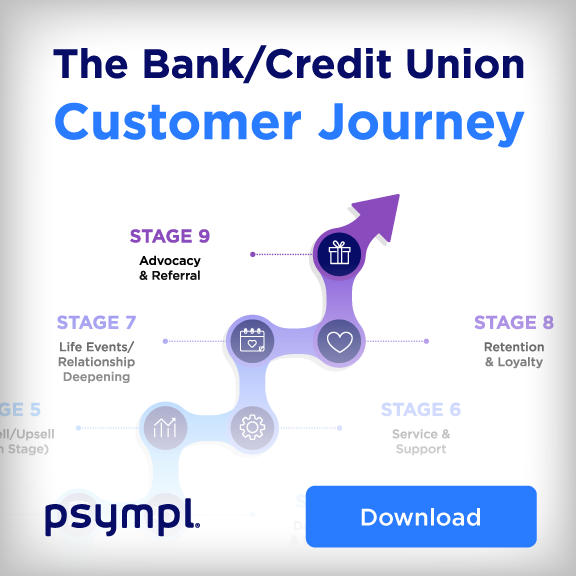
Download Psympl’s CX Guide for Banks and Credit Unions to learn how AI and psychographic insights can transform your customer journey—while staying fully aligned with compliance requirements.
Get the guide now and start building smarter, safer personalization at scale.

Brent Walker
Table of contents